Serenity Compounds
Research peptides. Documented.
Serenity Compounds supplies research peptides with product records and a searchable certificate library. Check the compound identity, selected quantity and available batch documentation before ordering. Materials are for qualified laboratory research only.
Third-party verified Batch traceable Secure checkout
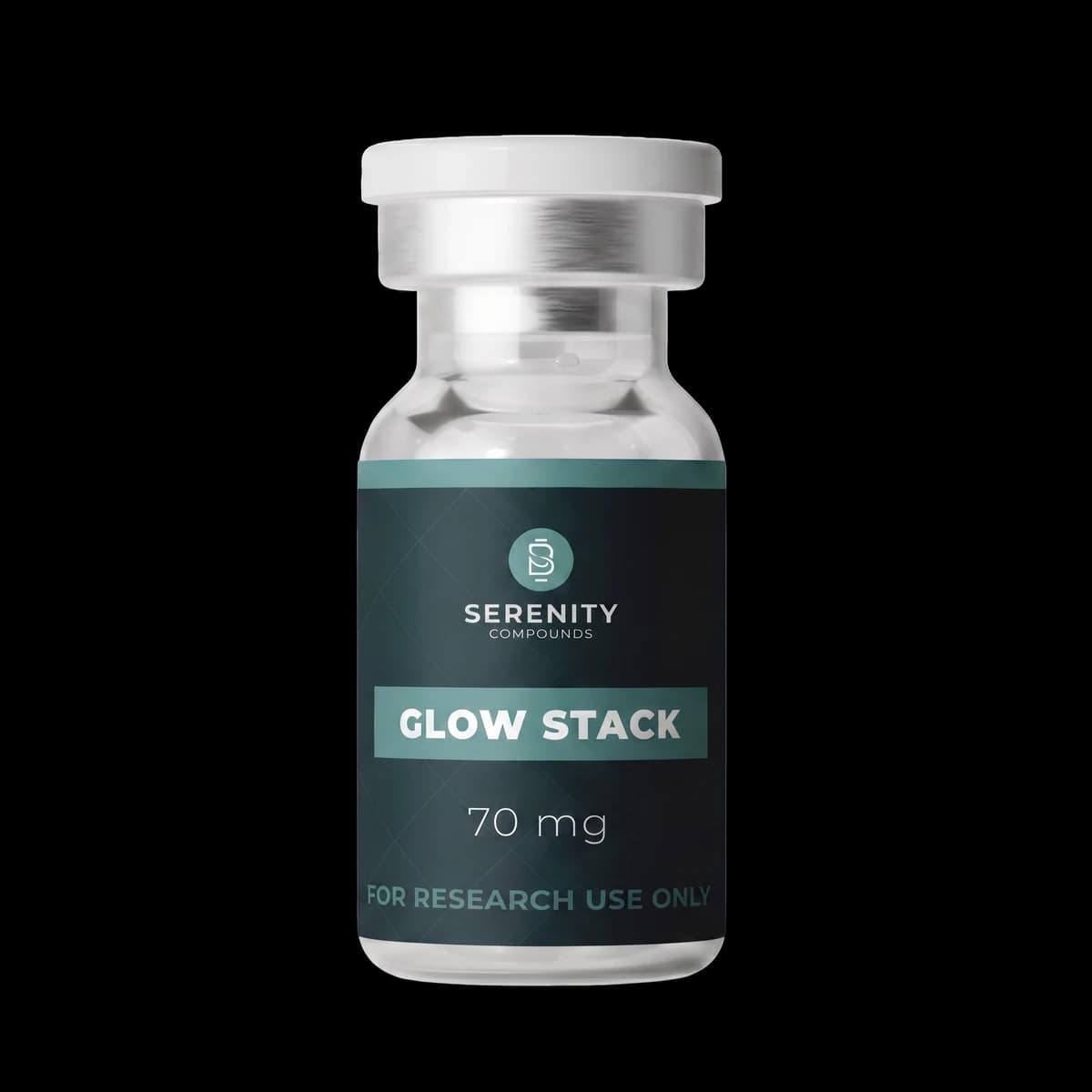
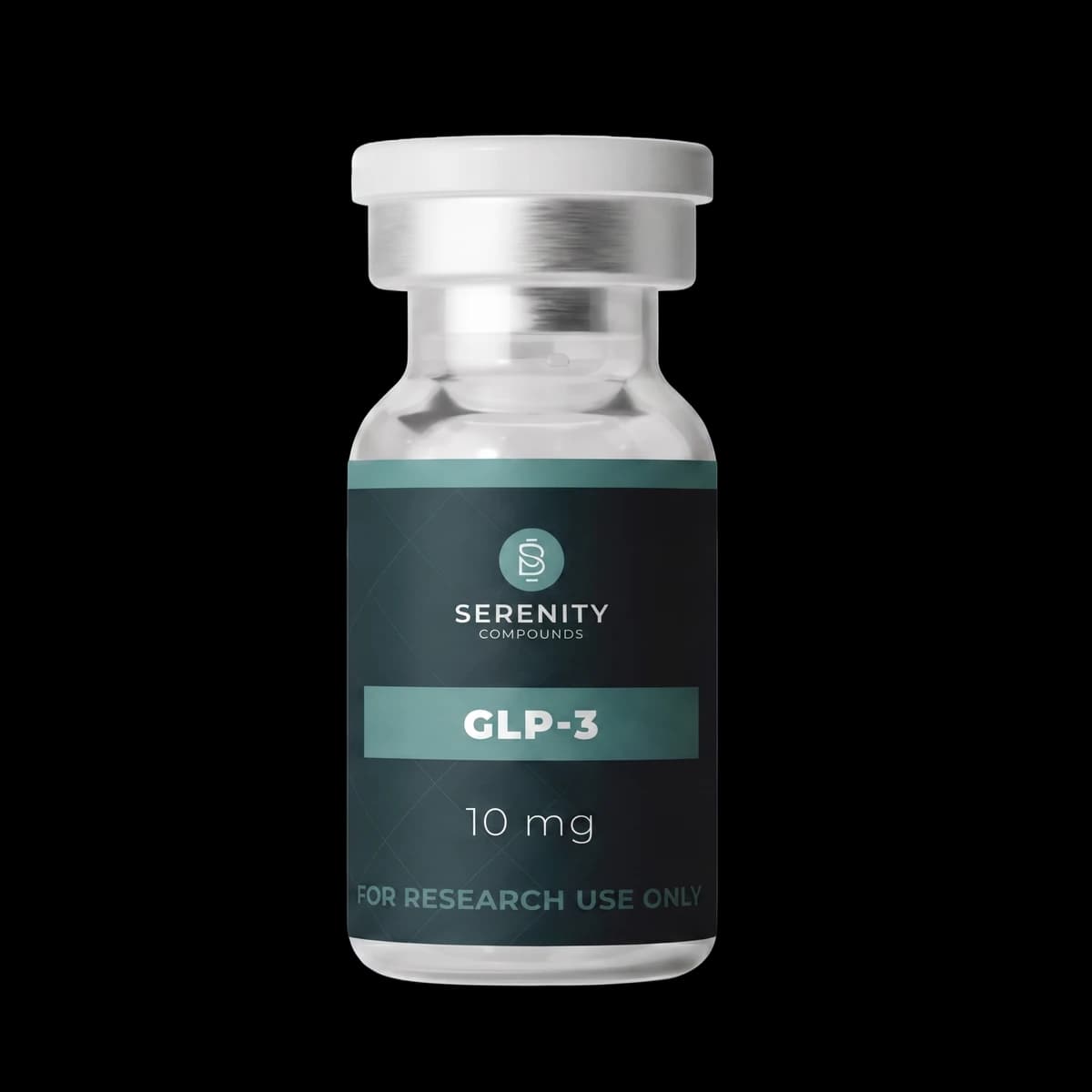
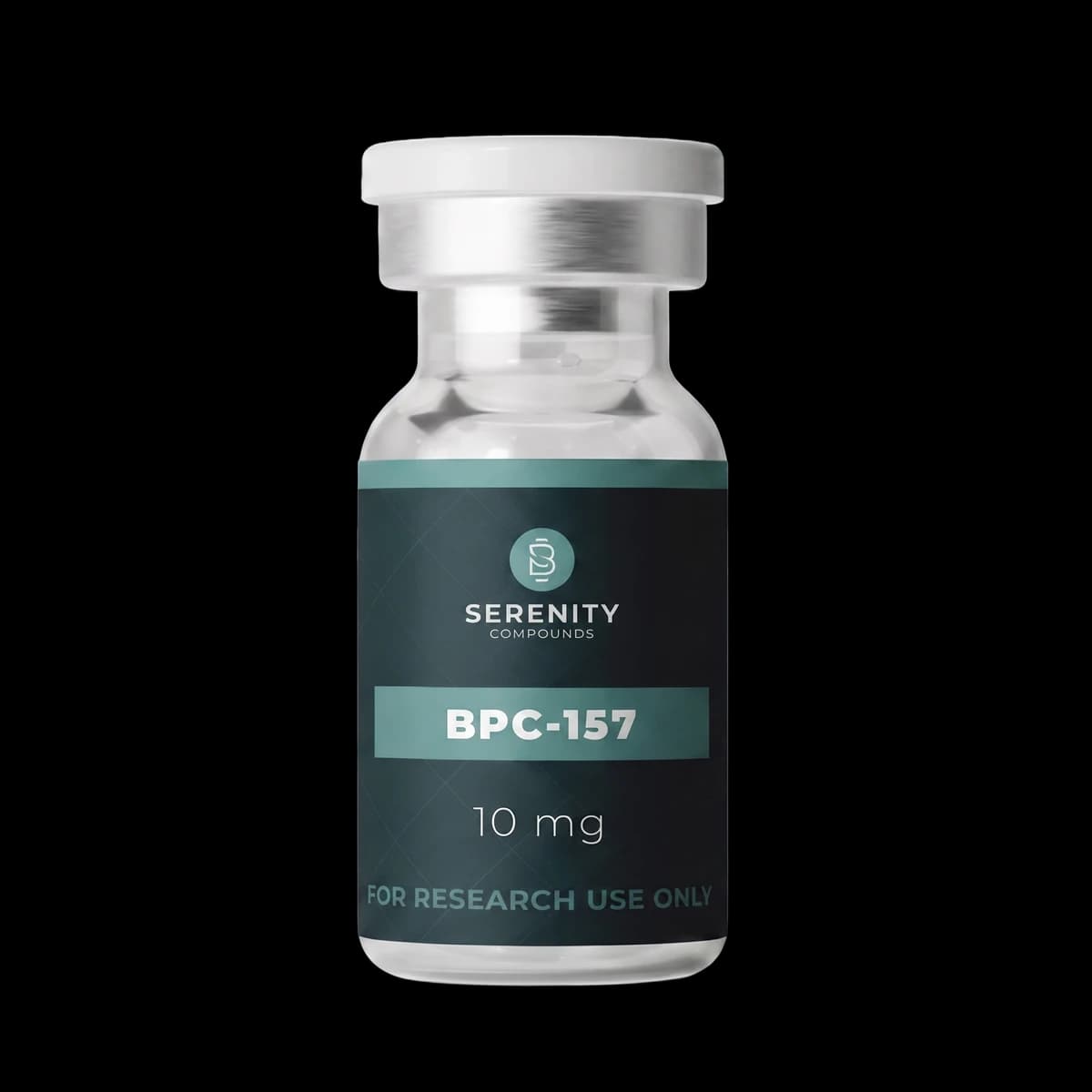
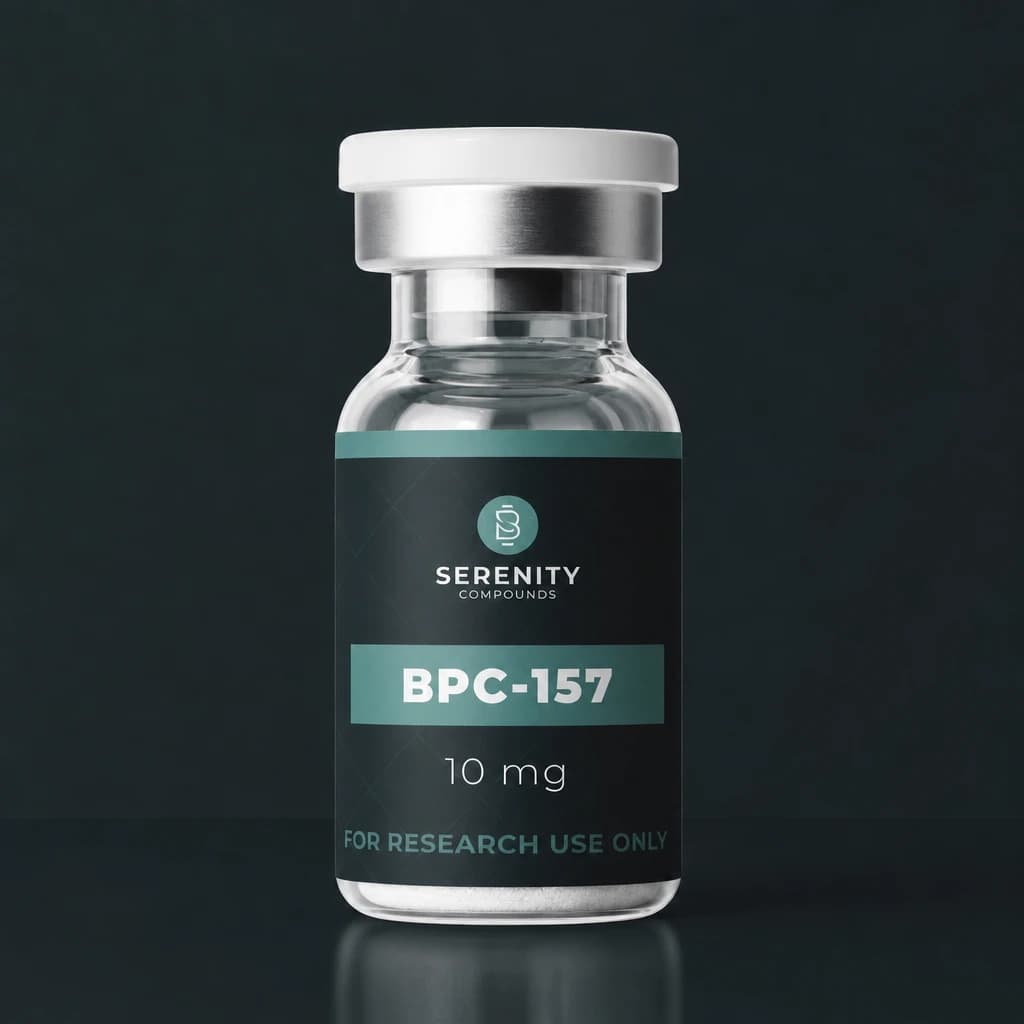
Batch testedEvery production batch
COA availablePublished lot reports
Secure checkoutEncrypted card & crypto
US & EU fulfillmentTracked, discreet delivery
Research compounds in the catalogCompounds selected for
Compounds selected for
consistent research.
Clear specifications, accessible documentation, and responsive fulfillment from a shop built for professional research.
View all compounds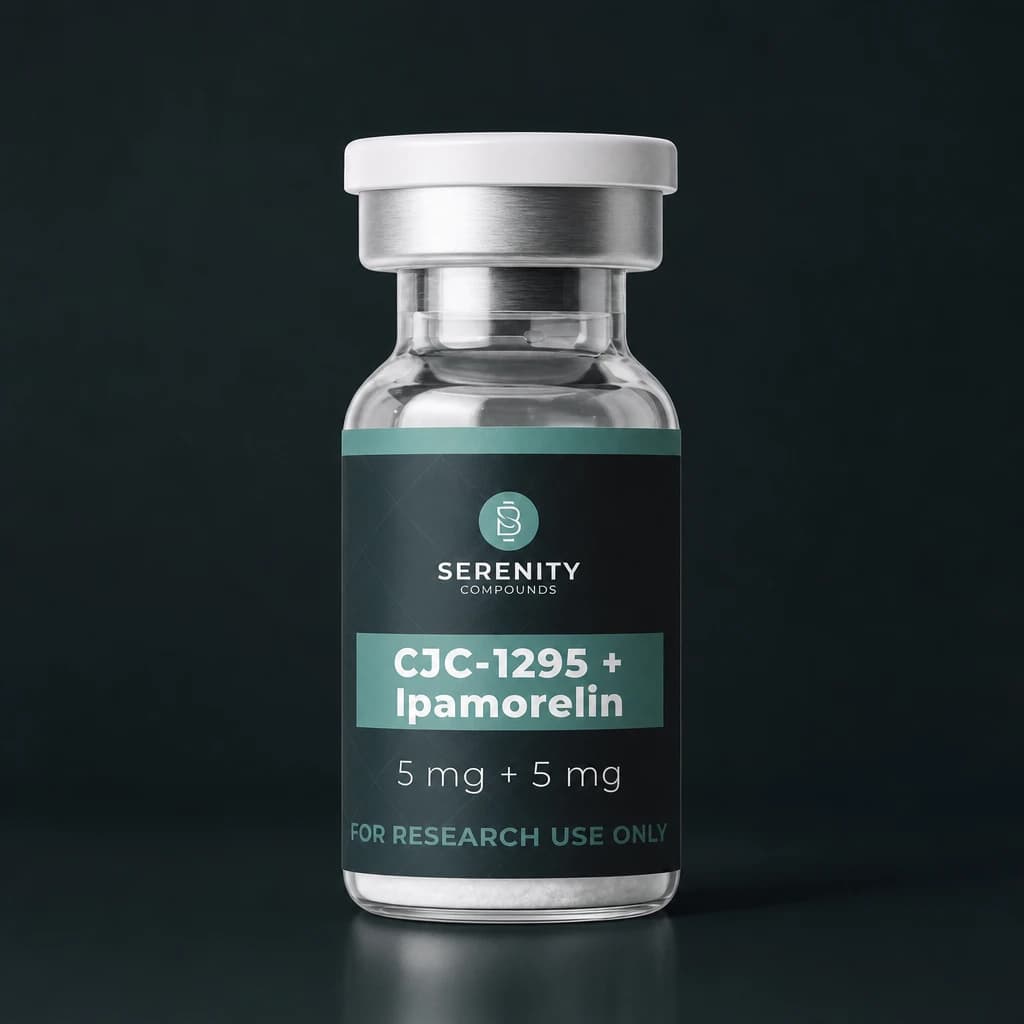

MAIN PEAK
IDENTITYAnalysisPURITYMeasuredMETHODHPLC
BATCH-SPECIFIC REPORTSTRACEABLE BY LOT
The Serenity standardCheck the product.
Check the product.
Match the batch.
Compare the product specification with available analytical documentation. Lot identity connects the material to its report, while the stated method explains what the result can establish. Ask about missing records before relying on an assumption.
- Identity and purity analysis
- Batch-specific certificates
- Transparent lot traceability
From the research blogRead the method
Read the method
behind the material.
Practical notes on analytical reports, chain of custody, documentation, and responsible laboratory workflows.
View all articlesUpdated Sep 5, 2026
What Is KLOW Peptide? Blend Identity and Research Controls
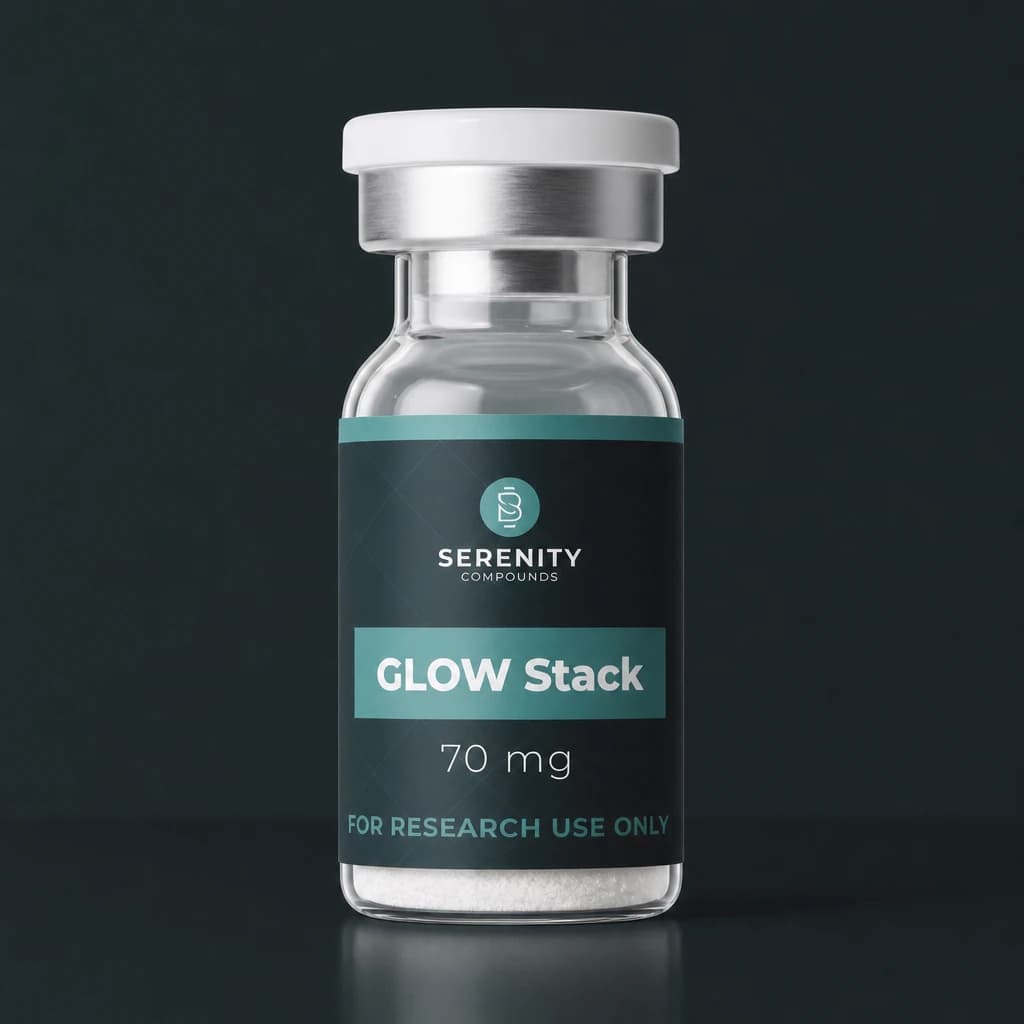
KLOW is a blend nickname rather than a universal molecular specification. Comparing it with GLOW requires more than checking the total vial mass.
Read article Updated Sep 5, 2026Bacteriostatic Water vs Sterile Water: Research Differences
Preservative content is the central distinction, but laboratory compatibility still depends on the exact product and experimental method.
Read article Updated Sep 5, 2026Epithalon Peptide Research: Telomerase Findings and Their Limits
A change in a cellular aging marker is not a measured change in human lifespan. The distinction matters when reading longevity claims.
Read articleBegin with verified materials.
Create a research account for access to order history, batch documents, and streamlined checkout.
Choosing peptides for research
Start with the question your laboratory is studying. A single compound supports a different experiment from a fixed blend. The catalog separates individual materials from combinations and supplies so you can inspect the relevant specification without treating similar names as interchangeable.
Product pages describe molecular context and explain where published findings stop. Peptide research can involve biochemical assays, cell cultures or animal models. Results from one setting don't establish a treatment effect in another, and a research listing doesn't establish suitability for human use.
Labels such as research grade peptides need supporting records. Match the product name and lot to the analytical document, then check what the method measured. A purity percentage doesn't answer every question about identity, net content or contamination. Missing information should remain an open question in the procurement record.
What to check beyond a purity claim
Purchasing high purity research peptides still requires a review of the exact lot. The certificate library connects available reports to product records. Read the report date and laboratory details alongside the result rather than judging a document by a single number.
Handling plans also need the laboratory's own method. Our calculator checks concentration arithmetic without selecting a clinical dose. The resource library explains how to document dilution assumptions and compare evidence, while account support handles product records and order questions.
Research only peptides aren't medicines sold under a different label. These materials are not offered for human or veterinary administration. Clinical findings discussed in the blog describe the cited investigation, not a promise about the material in a shop listing.